How Many Ounces Should My Baby Eat? A Calm Feeding-Amount Guide by Age
Wondering how many ounces your baby should eat? Calm, by-age breast and bottle ranges from newborn to 12 months, plus the hunger cues that matter more.
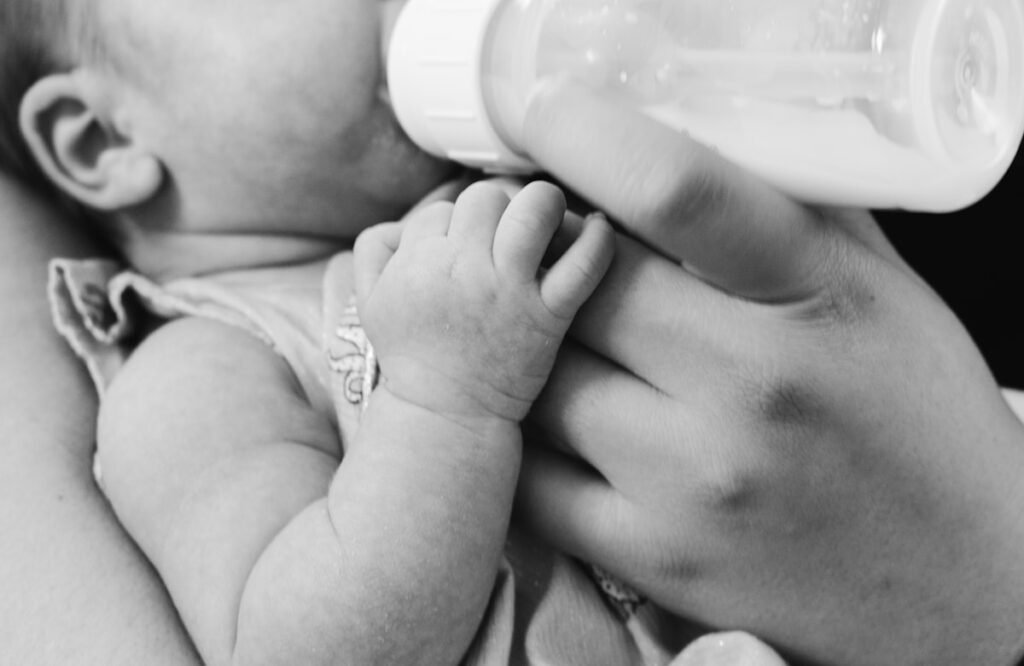
The quick version
- There is no single right number of ounces; ranges shift fast in the first year and every baby is different.
- A rough bottle guide: newborns take 1-3 oz per feed, building to 4-6 oz by a few months old, then leveling off as solids start.
- Hunger and fullness cues tell you more than any chart: feed when baby asks, stop when baby's done.
- Watch wet diapers and steady growth on your pediatrician's chart as the real signs feeding is on track.
- Logging feeds (by voice or a quick tap) shows your daily total at a glance so you stop doing math at 3am.
"How many ounces should my baby eat?" is one of the most-Googled questions in those blurry first months, usually at 3am with a crying baby and zero brain cells left for math. The honest answer is a range, not a magic number. Below you'll find calm, by-age guidance for both breast and bottle, plus the hunger and fullness cues that matter far more than hitting an exact ounce count.
A quick, important note
This is general information for typical, healthy, full-term babies, not medical advice. Premature babies, babies with health conditions, and every individual baby can have very different needs. Your pediatrician's guidance always wins over any chart on the internet.
The short answer (and why it's a range)
A common rule of thumb for formula-fed babies is roughly 2.5 ounces of formula per pound of body weight per day, up to about 32 ounces total. So a 10-pound baby might take around 25 ounces across a full day, split into many small feeds.
But that's an average, not a target you have to nail. Appetite swings day to day, dips when baby is fighting a cold, and spikes during growth spurts. A number on a chart can't see your actual baby, so treat it as a loose guardrail, not a rule.
Bottle amounts by age (a rough guide)
These are typical ranges for formula or pumped milk in a bottle. Your baby may sit a little above or below and still be perfectly fine. Notice how feeds get bigger but less frequent as the months go on.
| Age | Per feed | Feeds per day |
|---|---|---|
| Newborn (first weeks) | 1-3 oz | 8-12 |
| 1 month | 2-4 oz | 7-8 |
| 2-3 months | 4-5 oz | 6-7 |
| 4-5 months | 4-6 oz | 5-6 |
| 6 months | 6-8 oz | 4-5 |
| 7-9 months | 6-8 oz + solids | 3-4 |
| 10-12 months | 7-8 oz + solids | 3-4 |
Don't force the last half-ounce
If your baby turns away, slows down, or starts playing with the nipple, they're likely full, even with milk left in the bottle. Pushing the rest in can lead to spit-up and teaches baby to ignore their own fullness signals. Let the leftover go.
What about breastfeeding? You can't see the ounces
At the breast there's no measuring line, and that's okay. Instead of counting ounces, nursing parents usually feed on demand: roughly 8-12 times in 24 hours for a newborn, letting baby nurse until they release on their own or drift into that milk-drunk, slack-jawed sleep.
If you're pumping and bottle-feeding breast milk, here's a helpful difference from formula: breastfed babies tend to take fairly steady amounts after the first month, often around 3-4 oz per feed, because breast milk adjusts to your baby's needs over time. You generally don't keep scaling the bottle up the way you might with formula.
Breast / on demand
- No ounce count, feed on cues
- ~8-12 feeds a day for newborns
- Baby ends the feed, not the clock
- Wet diapers + growth confirm intake
- Cluster feeding in evenings is normal
Bottle / measured
- You can see exact ounces
- Amounts climb then plateau by ~6 mo
- Watch for fullness cues, don't force
- Easy to track daily totals
- Paced feeding keeps it baby-led
Cues beat numbers: how to tell baby is hungry or full
The single most useful skill is reading your baby instead of the bottle. Hunger and fullness cues are your baby telling you, in the only language they have, exactly how much they need right now.
- Early hunger cues: rooting, turning toward the breast or bottle, bringing hands to mouth, smacking lips, stirring and fidgeting.
- Late hunger cue: crying. Crying is a stressed, hard-to-feed state, so try to catch the earlier signs first.
- Fullness cues: slowing down, unlatching or turning the head, pushing the bottle away, relaxing open hands, falling into a deep, content sleep.
Try paced bottle feeding
Hold the bottle level (not tipped straight down), keep baby fairly upright, and pause every ounce or so. This slows the flow to be more like nursing, gives baby's tummy time to register fullness, and helps prevent overfeeding and gas.
The real signs feeding is going well
Forget the perfect ounce count. These are the everyday signals pediatricians actually care about, and they're reassuringly low-tech.
- Plenty of wet diapers: often around 6 or more soaked diapers a day once your milk is in and baby is past the first few days.
- Regular stools appropriate for age and milk type (your pediatrician can tell you what's normal for your baby).
- Steady weight gain plotted along your baby's own curve at well visits, not chasing the 50th percentile.
- Periods of calm, alert, content time between feeds.
- Baby seems satisfied after most feeds rather than frantic or constantly ravenous.
When solids start, the ounces shift
Around 6 months, when your pediatrician gives the go-ahead and baby shows readiness signs (good head control, sitting with support, interest in food), solids enter the picture. For most of the first year, though, breast milk or formula is still the main event.
"Food before one is mostly for fun" is the classic shorthand. Early solids are about practice and flavor, so don't be surprised if milk amounts dip only a little at first. Total milk often settles somewhere around 24 oz a day for many babies between 6 and 12 months, then tapers as table food ramps up.
When to call your pediatrician
- Fewer than the expected number of wet diapers, very dark urine, or signs of dehydration (dry mouth, no tears, unusually sleepy or floppy).
- Consistently refusing feeds, choking, gagging, or repeated forceful vomiting.
- Not gaining weight, losing weight, or falling off their growth curve.
- Extreme fussiness or arching and crying with most feeds.
- Any time your gut says something is off, you know your baby best, so call.
Stop doing milk math at 3am
In the haze of newborn life, the hardest part often isn't the feeding itself, it's remembering when the last one was and how much it added up to, especially when two or three people are sharing the care. That's exactly the mental load worth handing off to a tool instead of your exhausted memory.
Frequently asked questions
How much should a newborn eat per feeding?
In the first weeks, many newborns take about 1-3 oz per bottle feed and eat 8-12 times in 24 hours, since their stomachs are tiny. Breastfed newborns nurse on demand around 8-12 times a day. Feed on hunger cues rather than a strict schedule, and check amounts with your pediatrician.
How do I know if my baby is eating enough?
Look at the whole picture, not one feed: plenty of wet diapers (often 6 or more a day once feeding is established), steady weight gain along baby's own growth curve, and content, alert time between feeds. If those look good, your baby is very likely getting enough.
Is it bad to overfeed a baby?
Babies are usually good at self-regulating if you let them. Forcing the last bit of a bottle can cause spit-up and gas and may override their fullness signals. Watch for cues that baby is done, try paced bottle feeding, and let leftover milk go.
Do breastfed and formula-fed babies eat different amounts?
Often, yes. Formula-fed babies' bottle amounts tend to climb steadily in the early months, while breastfed babies frequently settle around 3-4 oz per feed because breast milk adjusts to their needs. Both are normal; cues and growth matter more than the exact ounces.
When do feeding amounts go down?
Milk amounts usually plateau and then gradually taper once solids begin around 6 months. Through the first year, breast milk or formula stays the main source of nutrition, with solids slowly taking on a bigger role as baby approaches one.
Keep the plan with
the family timeline.
Log the day, share the timeline, and keep the next handoff clear.
 ParentPod
© 2026 Beyond Volatility. ParentPod™ is a product of Beyond Volatility. ParentPod is not a medical device and does not provide medical advice. Always consult your pediatrician for health decisions.
ParentPod
© 2026 Beyond Volatility. ParentPod™ is a product of Beyond Volatility. ParentPod is not a medical device and does not provide medical advice. Always consult your pediatrician for health decisions.