The 7-9 Month Clinginess Phase: Separation Anxiety, Explained Calmly
7 month separation anxiety hits hard: sudden crying when you leave the room, refusing grandma. Here's why it's a leap forward, plus gentle handoff strategies.
The quick version
- Around 7-9 months, separation anxiety shows up as crying when you leave or refusing other caregivers.
- It's a developmental milestone, not a setback or a sign you've spoiled your baby.
- Object permanence means your baby now knows you exist when you're gone but can't predict when you'll return.
- Calm, consistent goodbyes and warm handoffs help more than sneaking out.
- Other caregivers aren't being rejected; familiarity and continuity smooth the transition.
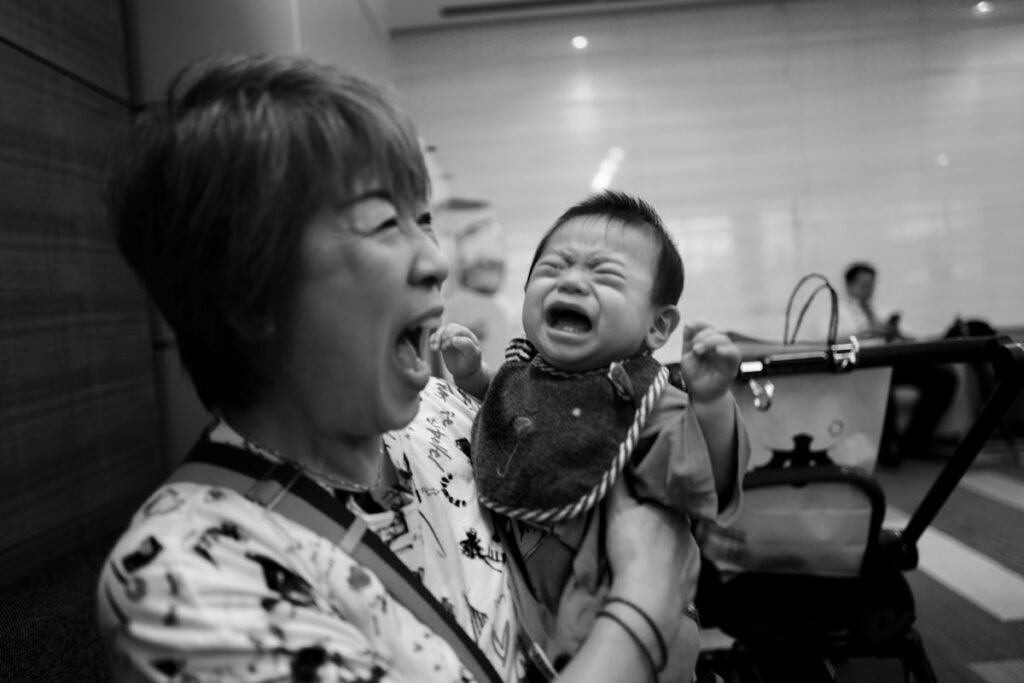
Last month your baby happily reached for anyone with open arms. This week, you step into the kitchen for ten seconds and the wails start. Hand them to grandma and they cling to your shirt like it's a life raft. If you're suddenly living with a tiny shadow, welcome to 7 month separation anxiety, one of the most predictable and most misunderstood phases of the first year.
Here's the reassuring part: this clinginess is a sign your baby's brain is doing exactly what it should. It isn't a regression, and it doesn't mean you've created a clingy kid. Let's unpack what's happening and how to handle handoffs so nobody in your village feels rejected.
Why It Happens Around 7-9 Months
Somewhere in this window, most babies develop object permanence: the understanding that things (and people) still exist even when they can't see them. It's a genuine cognitive leap. Before this, out of sight truly meant out of mind. Now your baby knows you're somewhere when you leave, they just can't predict when you'll come back.
At the same time, your baby is forming strong, specific attachments to their primary people. They can now tell the difference between you and a stranger, and they have a clear preference. Add in growing memory and a dawning sense of who is safe, and you get a baby who protests the moment their favorite person walks away.
What It Actually Looks Like
- Crying or fussing the moment you leave the room, even briefly
- Refusing to go to grandma, a nanny, or a parent who isn't the current favorite
- Reaching, arching, or clinging during handoffs
- Waking more at night and needing you to settle back down
- Sudden shyness or hiding from people they used to love
- Calming quickly once you return, which is the telltale sign it's about you, not pain
This is normal, not spoiling
You cannot reinforce a developmental stage by responding to it. Comforting your baby through separation anxiety builds the secure base that eventually makes independence easier, not harder. Many babies who get consistent, warm responses settle into this phase faster.
The Handoff That Doesn't Feel Like Rejection
When your 8-month-old screams as you hand them to a co-parent, nanny, or grandparent, it's easy for everyone to take it personally. The returning caregiver feels unwanted; the leaving parent feels guilty. But a baby refusing the handoff isn't a verdict on anyone's bond. It's a brain that craves predictability during a vulnerable moment.
- 1Arrive a few minutes earlyGive the incoming caregiver time to engage your baby with a toy or song before you step away. A warm-up beats a cold swap.
- 2Keep goodbyes short and confidentA quick, cheerful 'Bye, I'll be back after your nap' works better than a long, anxious lingering that signals something is wrong.
- 3Hand off during a calm momentTransitioning a fed, dry, not-overtired baby goes far smoother than a swap right before a meltdown.
- 4Let the new caregiver redirectA change of scenery, a peek out the window, or a favorite activity often resets a crying baby within minutes of you leaving.
- 5Reunite warmly, then move onA calm, happy hello teaches your baby that goodbyes are temporary and reunions are reliable.
Helps the transition
- Predictable goodbye routine
- Familiar comfort item along for the handoff
- Caregiver knows the day's rhythm and last feed
- Same warm hello every time you return
Makes it harder
- Sneaking out while baby is distracted
- Drawn-out, tearful goodbyes
- Cold handoff with no warm-up
- Swapping during hunger or overtiredness
Why sneaking out backfires
Slipping away unseen can feel kinder in the moment, but it teaches your baby that you might vanish at any time, which often makes the clinginess worse. A brief, honest goodbye builds trust that you always come back.
Continuity Is the Secret Weapon
A huge part of why babies resist a returning grandparent or nanny is that the person doesn't know where the day left off. They offer a bottle the baby just refused, or try to put down a baby who napped an hour ago. The mismatch reads as 'this person doesn't get me,' and the protest ramps up.
When the incoming caregiver can pick up the thread, last feed at 2:15, fussy because the morning nap was short, currently obsessed with the stacking cups, the baby experiences continuity instead of a reset. That smoothness does more to ease separation anxiety than almost anything else.
| Age | What you'll likely see | Gentle response |
|---|---|---|
| 7 months | First protests when you leave the room | Narrate where you're going; return reliably |
| 8 months | Refusing other caregivers, peak clinginess | Warm-up handoffs; keep goodbyes short |
| 9 months | Stranger wariness, night waking | Let baby warm up at their pace; stay consistent |
Taking Care of the Caregivers
This phase is hard on the whole team, not just the baby. The grandparent who drove two hours can feel crushed by a screaming refusal. A co-parent on the receiving end can start to wonder if they're doing something wrong. They almost certainly aren't.
- Remind every caregiver that refusal is developmental, not personal
- Give the incoming person the day's rhythm so they can pick up where you left off
- Agree on a consistent goodbye routine everyone uses
- Build in a few minutes of warm-up time at each handoff
- Celebrate the small wins, like a goodbye with fewer tears than last week
When to call your pediatrician
- Inconsolable crying that doesn't ease even after you return or after a long stretch
- Separation distress paired with poor feeding, weight loss, or signs of illness
- Major loss of skills your baby previously had
- Extreme distress that seems to intensify rather than gradually ease over weeks
- Your own gut says something is off; you know your baby best
For the vast majority of families, separation anxiety is a passing phase that softens over a few weeks as your baby's sense of time and trust matures. None of this is medical advice; if anything here worries you, your pediatrician is the right person to talk to.
The Short Version
Your baby crying when you leave isn't a problem to fix; it's proof of a bond worth having. Keep goodbyes calm and brief, give other caregivers a warm runway and the day's context, and reunite like it's no big deal, because to your baby, learning that it isn't a big deal is the whole point.
Frequently asked questions
Is 7 month separation anxiety a sign I've spoiled my baby?
No. Separation anxiety is a normal developmental milestone tied to object permanence and attachment, not a result of parenting choices. Responding warmly builds a secure base that supports independence later; you cannot spoil a baby by comforting them through a developmental stage.
Why won't my baby go to other people all of a sudden?
Around 8 months, babies form strong specific attachments and can clearly tell their favorite people from others. A baby refusing grandma or a nanny isn't rejecting them; they're craving predictability. A warm-up period and a caregiver who knows the day's rhythm usually smooths it out.
Should I sneak out to avoid the tears?
It's tempting, but sneaking out often makes separation anxiety worse because your baby learns you might vanish unpredictably. A short, confident goodbye and a reliable return teach trust that you always come back, which eases the clinginess over time.
How long does separation anxiety last?
For most babies it eases over a few weeks as their sense of time and trust matures, though it commonly returns around 12 to 18 months. If distress is extreme, paired with illness, or doesn't gradually improve, check in with your pediatrician.
How can multiple caregivers make handoffs easier?
Use a consistent goodbye routine, arrive a few minutes early for a warm-up, hand off during a calm moment, and make sure the incoming caregiver knows the last feed and nap so the day feels continuous to the baby rather than a reset.
Keep the plan with
the family timeline.
Log the day, share the timeline, and keep the next handoff clear.
 ParentPod
© 2026 Beyond Volatility. ParentPod™ is a product of Beyond Volatility. ParentPod is not a medical device and does not provide medical advice. Always consult your pediatrician for health decisions.
ParentPod
© 2026 Beyond Volatility. ParentPod™ is a product of Beyond Volatility. ParentPod is not a medical device and does not provide medical advice. Always consult your pediatrician for health decisions.