Starting Solids Without the Spreadsheet: Are We Ready, and When Do We Start?
Starting solids doesn't need a spreadsheet. Here's how to spot readiness signs, settle the 4-vs-6-month debate, skip the gear, and ease in over two weeks.
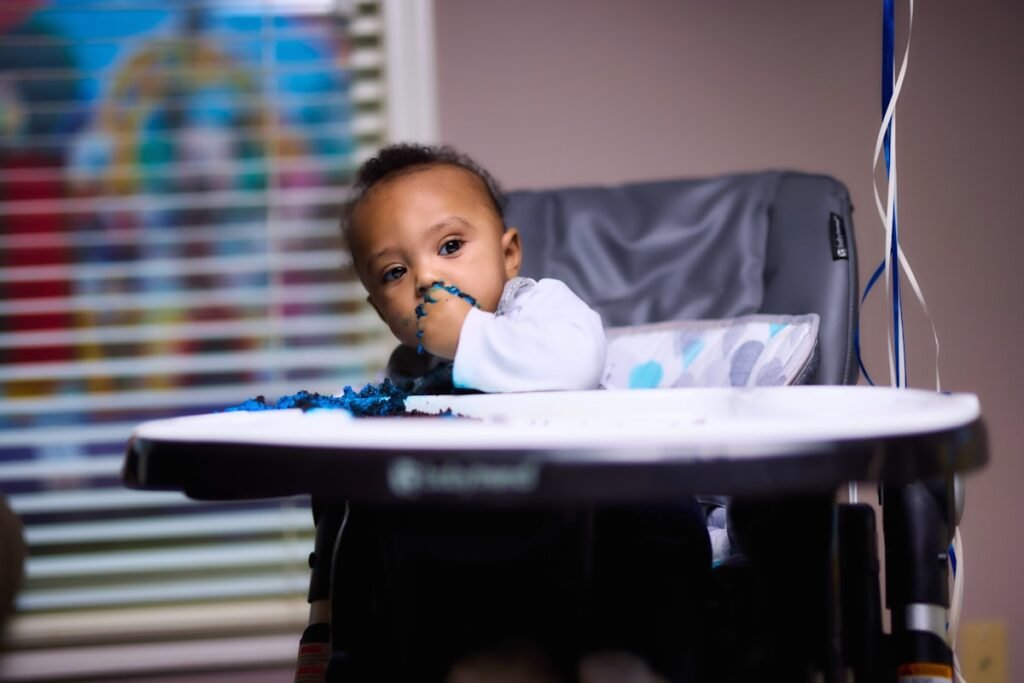
The quick version
- Most babies are ready for solids around 6 months, but readiness is about cues, not a birthday.
- Watch for three big signs: good head control, sitting with little support, and real interest in your food.
- You need far less gear than the registry suggests — a chair, a few spoons, and a bib will do.
- Go slow: a 2-week ramp of one new taste at a time beats a rigid spreadsheet.
- Milk (breast or formula) stays the main event until about 12 months; early solids are practice, not nutrition.
Starting solids without the spreadsheet
Somewhere between the baby showers and the four-month growth spurt, starting solids turns into a project. Suddenly there are color-coded feeding charts, allergen rotation calendars, and a cart full of silicone gadgets. Take a breath — none of that is the actual job.
This post is the 'are we ready, and when do we start' pillar. We'll cover the readiness signs that actually matter, the real story behind the 4-vs-6-month debate, the parent mindset that keeps this calm, the tiny bit of gear you need, and a gentle two-week plan to ease in. (First foods, purée-vs-baby-led, allergens, and gagging-vs-choking each get their own deep dive — this one is about the start line.)
This isn't medical advice
Every baby is different, and this article is general information, not personalized guidance. Your pediatrician knows your child — loop them in before you start solids, especially if your baby was premature or has health considerations.
The three readiness signs that actually matter
Forget the spreadsheet. Readiness comes down to a handful of physical and behavioral cues. Many babies show all of them around 6 months, but the calendar is a hint, not the rule.
- Steady head and neck control — your baby can hold their head up on their own without bobbing.
- Sits with little to no support — propped in a high chair, they stay upright instead of slumping.
- Lost (or fading) tongue-thrust reflex — food doesn't get automatically pushed back out with the tongue.
- Real interest in food — watching you eat, leaning in, reaching for your plate, opening their mouth.
- Can move food to the back of the mouth and swallow, not just suck.
Age is a clue, not a green light
Reaching for your fork at 4 months is curiosity, not always readiness — babies are interested in everything. Pair interest with the physical signs (head control + sitting up) before you start.
The 4-vs-6-month debate, settled calmly
You'll hear 'start at 4 months' from one relative and 'wait until 6' from another. Both numbers come from real guidance, which is why it's confusing. Here's the short version.
The 'around 6 months' case
- Major pediatric and health organizations point to about 6 months as the typical starting window.
- By 6 months, most babies have the head control and sitting ability to handle solids safely.
- Around this age many babies need more iron and zinc than milk alone provides.
- Milk (breast or formula) has supplied complete nutrition up to now.
The 'not before 4 months' case
- Guidance is clear that solids should not start before 4 months — the gut and oral skills aren't ready earlier.
- A few babies show genuine readiness between 4 and 6 months.
- If your pediatrician recommends starting before 6 months (for example, for certain feeding or growth reasons), follow their plan.
- Starting earlier still means following your baby's cues, not forcing a schedule.
The calm takeaway: don't start before 4 months, aim for the readiness signs around 6 months, and let your pediatrician break any tie. There's no prize for being early.
The parent mindset: it's practice, not a performance
The biggest shift is mental. For the first month or so, solids are a sensory experiment — squishing, tasting, gagging a little, making a glorious mess. Most of the food ends up on the floor, and that's exactly how it's supposed to go.
- Milk first. Breast milk or formula stays the main source of nutrition until about 12 months. Solids are bonus reps.
- Mess is the curriculum. Touching, smearing, and dropping food is how babies learn to eat. Lay down a mat and let it happen.
- No clean-plate club. Babies self-regulate well. Offer, don't pressure; let them decide how much.
- Slow is fine. Some days they devour it, some days they turn away. Both are normal. Skip the guilt and the tracking-app anxiety.
Gear minimalism: what you actually need
The registry wants you to buy 40 things. You need about five. Here's the honest split.
Genuinely useful
- A stable high chair with a footrest and a wipeable surface
- Two or three soft-tipped or pre-loaded baby spoons
- A couple of bibs (silicone with a catch pocket saves laundry)
- A splat mat or an old towel under the chair
- A few small bowls or a suction plate
Nice but skippable
- Pouch-filling stations and elaborate storage systems
- A dedicated baby food maker (your blender or a fork works)
- Toddler utensil 'training' sets you won't use for months
- Themed dishware and matching everything
Don't over-buy before you know your baby
Wait to see how your baby eats before stocking up. Some take to a spoon; some want to grab everything themselves. Buy the basics, then add what fits your real routine.
Your gentle 2-week intro plan
This is a ramp, not a rulebook. The goal is to build the habit and let your baby practice — one new taste at a time, offered when they're calm and not overly hungry (a little milk first can help). Stop any time they're done.
- 1Days 1–3: One small taste, once a dayPick a calm moment, ideally late morning. Offer a few spoonfuls or a soft strip of a single food. If they turn away after a bite or two, that's a full session. Celebrate the attempt.
- 2Days 4–7: Same time, build the routineKeep offering once a day at roughly the same time so it becomes predictable. Introduce one new single food every few days so you can spot how each one sits with your baby.
- 3Days 8–11: Add a second daily sittingIf meals are going smoothly, add a second short session (for example, late morning and early evening). Keep portions tiny — this is still about practice and exposure.
- 4Days 12–14: Mix textures and let them leadOffer a little more variety in texture and let your baby explore self-feeding alongside spoon feeds. By now you'll have a feel for their rhythm — follow it instead of a chart.
Keep milk on its normal schedule
During these two weeks, your baby's usual breast or formula feeds shouldn't drop. Solids are added around milk, not subtracted from it, this early on.
When to call your pediatrician
- Your baby seems unable to sit upright or hold their head steady by around 6 months
- Persistent, forceful gagging, choking, or trouble breathing during or after meals
- Repeated vomiting, hives, swelling, or any reaction you suspect is an allergy
- Refusing all solids well past 6 months, or signs of poor weight gain
- Your baby was premature, has a medical condition, or you're simply unsure when to start
Trust the cues, keep it low-stakes, and remember the timeline is forgiving. A baby who starts at 6 months and one who starts at 6 months and three weeks end up in the same place: a toddler stealing fries off your plate.
Frequently asked questions
Is it okay to start solids at 4 months?
Solids should never start before 4 months, and most babies do best waiting until around 6 months when they show the readiness signs. A few babies are genuinely ready between 4 and 6 months — if yours is, or if your pediatrician recommends starting early for a specific reason, follow their guidance and your baby's cues.
What are the most important signs my baby is ready for solids?
The big three are steady head control, the ability to sit upright with little support, and real interest in food (watching you eat, reaching, opening their mouth). Many babies show all of these around 6 months. Interest alone isn't enough — pair it with the physical signs.
Do I need to buy a lot of special gear to start solids?
No. A stable high chair, a couple of soft baby spoons, a bib or two, a splat mat, and a small bowl will get you through the early weeks. Wait to see how your baby eats before investing in food makers, storage systems, or fancy dishware.
Will starting solids replace my baby's milk feeds?
Not at first. Breast milk or formula stays the main source of nutrition until about 12 months. Early solids are practice and exposure, offered around milk feeds rather than instead of them, so keep milk on its usual schedule.
How fast should I introduce new foods?
Slowly. Offering one new single food every few days makes it easier to notice how each one sits with your baby and to spot any reaction. There's no need for a rigid spreadsheet — a gentle ramp over a couple of weeks works well for most families.
Keep the plan with
the family timeline.
Log the day, share the timeline, and keep the next handoff clear.
 ParentPod
© 2026 Beyond Volatility. ParentPod™ is a product of Beyond Volatility. ParentPod is not a medical device and does not provide medical advice. Always consult your pediatrician for health decisions.
ParentPod
© 2026 Beyond Volatility. ParentPod™ is a product of Beyond Volatility. ParentPod is not a medical device and does not provide medical advice. Always consult your pediatrician for health decisions.